How Card Payments Are Changing the Way People Handle Rent, Management Fees, and Labor Costs in Korea
How Card Payments Are Changing the Way People Handle Rent, Management Fees, and Labor Costs in Korea
Managing regular fixed expenses like monthly rent, building maintenance fees, and staff wages has traditionally meant keeping a steady flow of cash on hand. In Korea, a growing number of individuals and business operators are turning to card-based payment services to handle these recurring costs more flexibly. This article breaks down how each of these payment categories works, what to expect, and why the shift toward card payments is gaining momentum across households and small businesses alike.
Monthly Rent Payments by Card: A Smarter Way to Handle Housing Costs
For most renters in Korea, monthly rent has always been paid through direct bank transfer. The landlord provides an account number, and the tenant sends the money on a fixed date every month. While this system is straightforward, it leaves little room for flexibility when cash flow is tight. That is where 월세카드결제 comes in as a practical alternative for tenants who want more control over their payment timing.
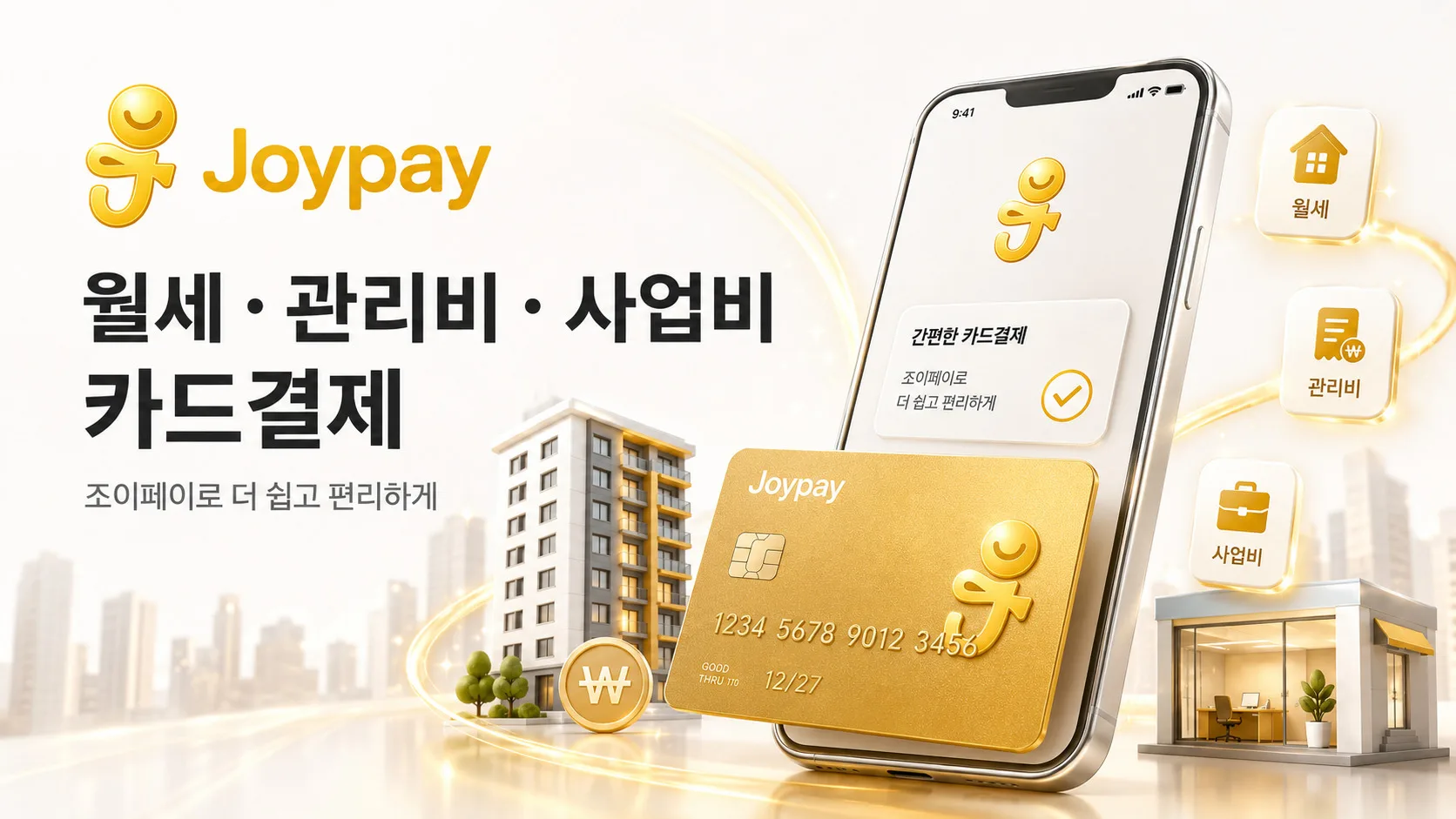
By using a credit or debit card to cover monthly rent, tenants can take advantage of card benefits such as reward points, cashback, or installment plans. The payment service acts as an intermediary, collecting the card payment from the tenant and forwarding the equivalent cash amount to the landlord. The landlord receives the rent on time without needing to change anything about how they operate. It is a seamless arrangement that benefits both parties in different ways.
This approach is especially useful for tenants who receive salary payments later in the month but owe rent at the beginning. Rather than scrambling to cover the gap, they can charge the rent to a card and repay the card balance when their income arrives.
Building and Apartment Management Fee Payments
Beyond rent, residents of apartments and officetels in Korea face monthly management fees that cover services like cleaning, security, elevator maintenance, and shared utility costs. These fees are typically billed by the building management office and have historically been paid by bank transfer or automatic debit.
Card payment services now allow residents to pay these management fees using credit or debit cards. The process mirrors the rent payment model: a payment platform processes the card transaction and settles the amount with the management office directly. Residents benefit from the same card perks they would receive on any other purchase, and they gain a digital record of every payment made.
Key Benefits of Paying Management Fees by Card
- Earn reward points or cashback on a recurring monthly expense
- Maintain a clear digital payment history for personal or tax records
- Smooth out cash flow by using card billing cycles strategically
- Avoid missed payments through automated card charge scheduling
Labor Cost Payments by Card for Business Operators
For small business owners, one of the most pressing financial challenges is meeting payroll obligations on time. Whether paying full-time staff, part-time workers, or independent contractors for project-based work, the cash requirement can be significant and often arrives before revenue does. Card-based labor cost payment services offer a way to bridge that gap.
Through a payment agency, a business operator can charge labor costs to a corporate or personal credit card. The agency then disburses the wages or service fees to the workers in cash. This effectively delays the actual cash outflow until the card billing date, giving the business operator additional time to generate revenue or arrange financing. It is a practical tool for managing short-term liquidity without resorting to high-interest emergency loans.
Comparing the Three Card Payment Categories
| Payment Type | Who Uses It | Primary Benefit | Payment Recipient |
|---|---|---|---|
| Monthly Rent | Tenants in residential or commercial properties | Flexible timing, card rewards | Landlord |
| Management Fees | Apartment and officetel residents | Points accumulation, payment records | Building management office |
| Labor Costs | Small business owners and self-employed operators | Delayed cash outflow, liquidity support | Employees or contractors |
What to Keep in Mind Before Using These Services
While card payment services for rent, management fees, and labor costs offer genuine advantages, there are a few practical points worth considering. Most platforms charge a service fee, typically calculated as a percentage of the total transaction amount. This fee covers the cost of processing the card payment and transferring funds to the recipient. Users should factor this cost into their decision and compare it against the value of card rewards or the benefit of deferred payment.
It is also worth confirming that the service provider is reputable and properly registered. Choosing a well-established platform helps ensure that payments are processed reliably and that personal and financial data is handled securely. Reading user reviews and checking for transparent fee disclosures are sensible first steps before committing to any service.
A Practical Shift in How Fixed Costs Are Managed
The ability to pay rent, management fees, and labor costs by card represents a meaningful shift in personal and business financial management. These are not discretionary purchases but essential recurring obligations, and having the option to pay them with a card introduces a level of flexibility that was simply not available before. Whether you are a renter trying to align payment dates with your income schedule, a resident wanting to earn points on unavoidable monthly fees, or a business owner navigating cash flow pressures, card payment services for fixed costs are worth exploring as part of a broader financial strategy.